Bizi Arayın
+86 0572-5911661


 Tr
Tr
 Ana Sayfa / Haberler / Sektör haberleri / Ofis Koltuğu Silindirinin Değiştirilmesi: Onarın, Teşhis Edin ve Yeniden Yükleyin
2026-07-01
Eğer sandalye, yükseklik kolu serbest bırakıldıktan sonra bile yavaş yavaş ağırlığın altına düşerse, gaz silindirinin içindeki pnömatik conta, basıncı tutma yeteneğini kaybetmiş demektir. Bu, insanların bir arama yapmasının en yaygın nedenidir. ofis koltuğu hava silindiri düzeltmesi ve ne yazık ki yeniden kapatılabilecek veya yeniden doldurulabilecek bir şey değil; silindir yalıtılmış bir ünitedir ve iç piston contası aşındığında, değiştirmek tek kalıcı çözümdür. Yüksekliği kilitlemek için silindir şaftının etrafına bir hortum kelepçesi takmak gibi bazı kişilerin denediği geçici bir çözüm, birkaç hafta işe yarayabilir, ancak koltuk plakasına eşit olmayan bir baskı uygular ve sıklıkla yalpalamaya neden olur.
Yedek parça sipariş etmeden önce, sallanan veya batan bir sandalyenin diğer iki yaygın nedenini elemek faydalı olacaktır: çatlak bir oturma plakası (koltuğunu silindire bağlayan metal braket) ve soyulmuş bir montaj cıvatası modeli. Sandalyeyi ters çevirin ve oturma plakasının kendisinin esneyip esnemediğini veya vida deliklerinin yakınında görünür çatlaklar olup olmadığını kontrol edin; eğer öyleyse, silindirin değil, plakanın değiştirilmesi gerekir. Plaka sağlamsa ancak koltuk hala batıyorsa veya gevşek bir şekilde dönüyorsa, suçlunun silindir olduğu doğrulanır.
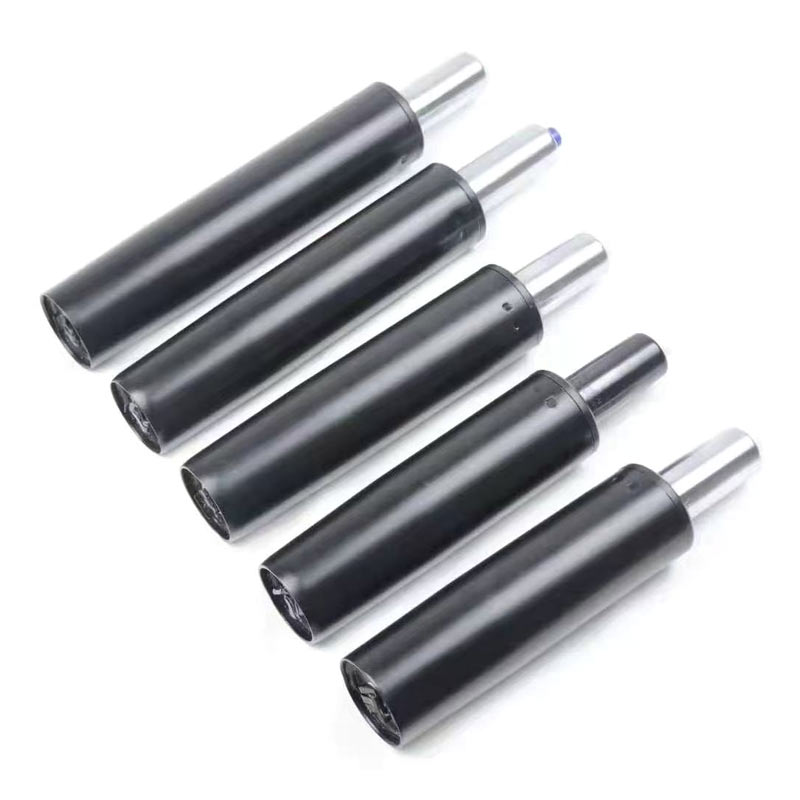
Çoğu kişi bu onarımı temel aletlerle 20 dakikadan kısa sürede tamamlayabilir. İşte genel süreç ofis koltuğu silindiri nasıl değiştirilir :
BIFMA güvenlik standartlarına uygun sınıf 4 gaz silindiri kullanan sandalyelerin erken arızalanma olasılığı daha düşüktür, bu nedenle mevcut en ucuz jenerik seçeneği satın almak yerine yedek silindirin üzerine damgalanmış derecelendirmeyi kontrol etmeye değer.
Yanlış boyutun tedarik edilmesi, bir işletmede en sık yapılan hatadır. ofis koltuğu hidrolik silindir değişimi - ismine rağmen neredeyse tüm modern ofis koltukları, gerçek hidrolik silindirler yerine pnömatik (gaz yüklü) silindirler kullanır, çünkü gaz silindirleri daha hızlı tepki verir ve conta bozulursa sıvı sızıntısı yapmaz. Sipariş vermeden önce onaylanması gereken önemli ayrıntılar:
Önerilen Ürünler

Bizi Arayın
+86 0572-5911661

Desteğe ihtiyacınız var

Merkez Ofis
ADD:Baishuiwan Endüstri Parkı, Anji İlçesi, Zhejiang Eyaleti
Telif Hakkı © 2025Zhejiang Lubote Plastik Technology Co., Ltd.
Tüm Hakları Saklıdır.Özel Sandalye Değiştirme Aksesuarları Fabrikası

